How AI Medical Scribes Generate SOAP Notes, Referral Letters and Patient Summaries from One Consultation
Dr. Dhruv Patel
Clinical Content Lead
Share
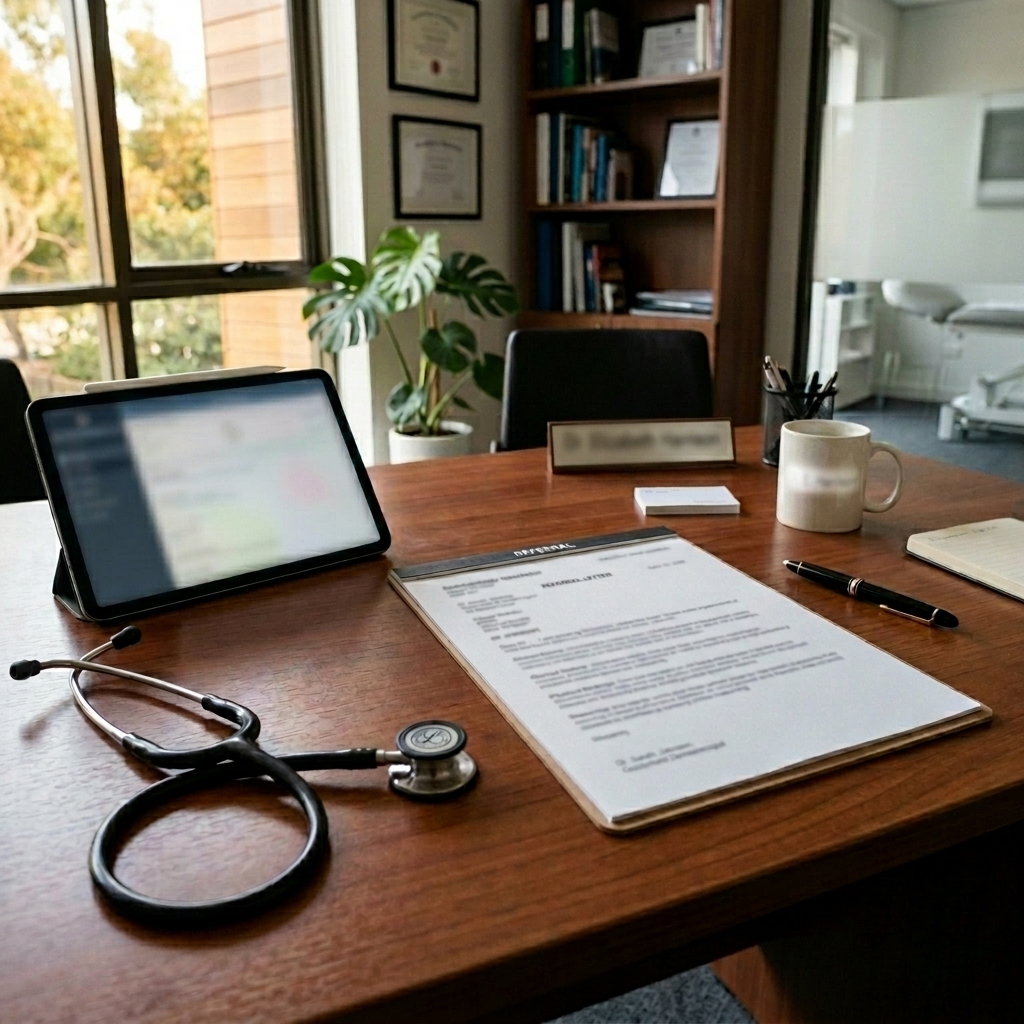
When a clinician finishes a consultation, the clinical note is only the beginning of the documentation process. For many Australian General Practitioners, specialists, and allied health providers, a single patient consultation often triggers multiple documentation requirements. These may include a SOAP note, a specialist referral letter, a patient-friendly care summary, care plan documentation, and a list of follow-up tasks for administrative staff or practice nurses. Traditional documentation workflows require clinicians to repeatedly enter the same information across multiple documents. Even many AI medical scribe solutions only generate a progress note, leaving clinicians to manually create referral letters, patient summaries, and administrative tasks. To solve this challenge, IntuScribe developed a Multi-Document Generation workflow within its Clinical Intelligence Layer (CIL). This capability enables clinicians to generate multiple clinical documents simultaneously from a single consultation recording, reducing administrative workload and improving clinical efficiency.
The Reality of Multi-Document Consultation Workflows
Studies show that clinicians spend up to a third of their day writing documents that repeat the same clinical facts in different formats:
- Redundant Writing: A GP must document a patient's physical exam in the SOAP note, then type the exact same exam findings into a specialist referral letter.
- Tone Translation: Translating a dense, jargon-heavy progress note into a plain-English care summary for the patient takes extra time and cognitive effort.
- Coordination Leakage: Plan items like "refer to physiotherapy" or "order blood checks" can easily get lost if they aren't manually added to a practice task list.
AI Medical Scribe Software That Generates More Than SOAP Notes
Instead of forcing you to record multiple times or copy-paste text between templates, IntuScribe processes your consultation audio once and generates distinct, specialized outputs tailored to different audiences.
From a single ambient recording, the CIL can simultaneously generate:
1. The Core Clinical Note
A highly structured progress note (SOAP, GP, or NDIS-specific) formatted precisely to your practice's template guidelines, detailing subjective history, objective assessments, and management plans.
2. Specialist Referral Letters
A formal, professional referral letter addressed to a specialist or allied health provider. The AI pulls the clinical rationale, diagnostic findings, and relevant history directly from the conversation, formatting it into a professional letter structure.
3. Patient Summaries & Handouts
A simplified, jargon-free summary written in clear patient-friendly language. This document highlights what was discussed, explains the care instructions, and lists upcoming appointments to improve compliance.
4. Interactive Task Checklists
An administrative checklist automatically compiled from verbs in your plan (e.g. "schedule biopsy," "order HbA1c in 3 months"). You can track and check off these actions directly from your IntuScribe dashboard.
Clinical Workflow Automation for General Practice and Specialist Clinics
Consider a common clinical scenario: a consultation for an atypical skin lesion where the doctor plans multiple next steps, including ordering a dermatologist referral, requesting a biopsy, and scheduling a follow-up review.
Under a traditional ambient scribe, the doctor receives a progress note, but must still manually write the referral letter and write reminders for the follow-up tests.
With IntuScribe's multi-document engine, the workflow is automated:
- Single Recording: The doctor records the consultation normally as they examine the lesion and explain the plan to the patient.
- Simultaneous Generation: The moment the recording stops, IntuScribe outputs:
- Progress Note: Grounded SOAP documentation recording the skin assessment and lesion dimensions.
- Referral Letter: A drafted, formal letter to the dermatologist detailing the lesion location, biopsy urgency, and clinical history.
- Patient Summary: A clear guide explaining wound care instructions and follow-up timelines.
- Checklist: Actionable tasks for the clinic nurse to coordinate the biopsy.
- EHR Integration: The clinician reviews the outputs, copying the referral letter and patient summary directly into the practice software.
Conclusion: Eliminating the Admin Hangover
Clinical documentation should be complete, but it shouldn't require double-handling. By generating notes, referrals, patient instructions, and administrative tasks simultaneously from a single consult recording, IntuScribe eliminates redundant data entry and helps you get home on time.
Automate your care administration. Start your 4-week free trial of IntuScribe today.
About the Author
Dr. Dhruv Patel, MBBS, FRANZCR, EBIR
Dr. Dhruv Patel is a Consultant Radiologist and Specialist in Interventional Radiology, holding Australian (FRANZCR) and European (EBIR) qualifications. With over a decade of clinical experience across major Australian hospitals, he has first-hand experience with the administrative burden that pulls clinicians away from patient care. To solve this, Dr. Patel co-founded IntuScribe in Brisbane, combining clinical insights with generative AI to build a sovereign, medical-grade Clinical Intelligence Layer that seamlessly fits the active workflows of GPs and Allied Health professionals.
Note from the Medical Lead
"I built IntuScribe because I was tired of finishing notes at 9 PM. If you're a clinician in Australia looking for a smarter way to manage your clinical workflow, I invite you to try our Clinical Twin (Beta) assistant."